FES-SYSTEM – FEStrofit
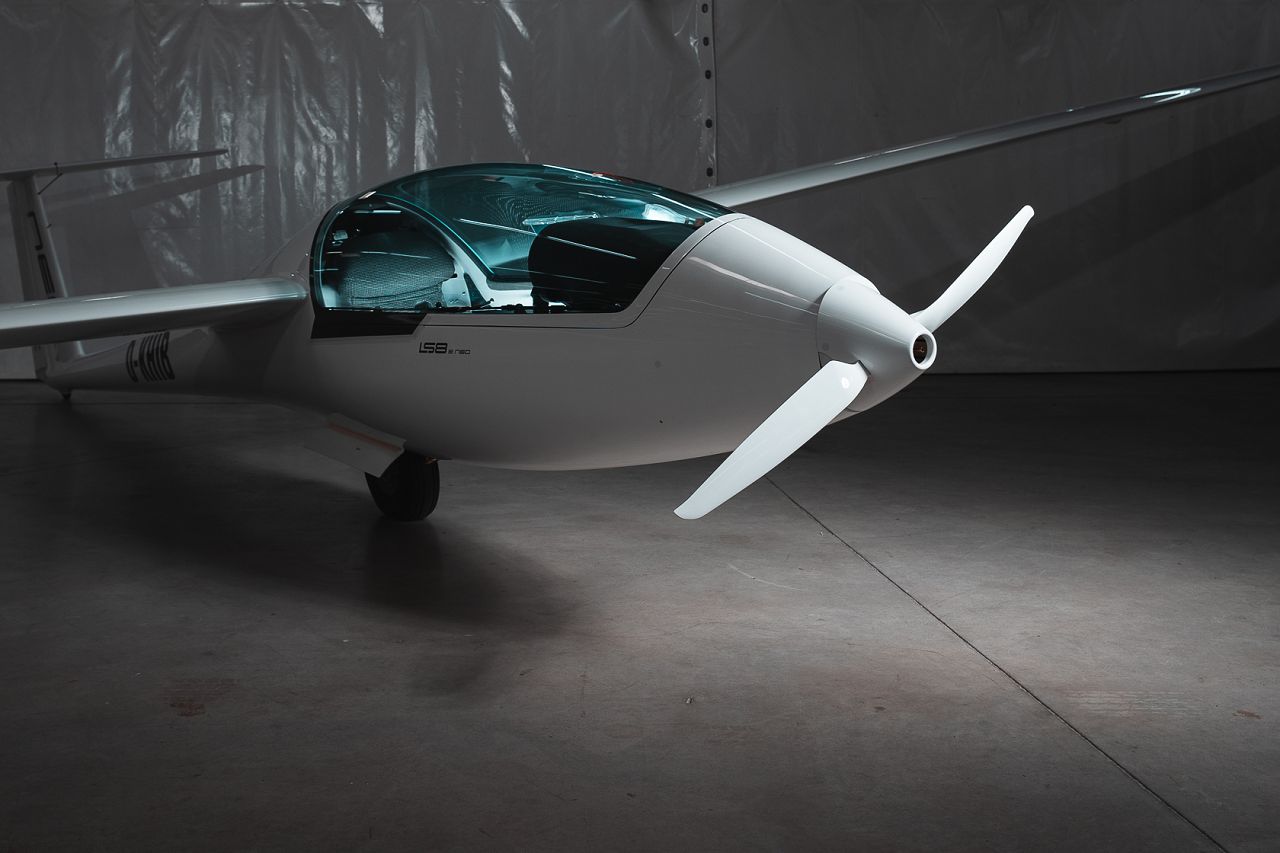
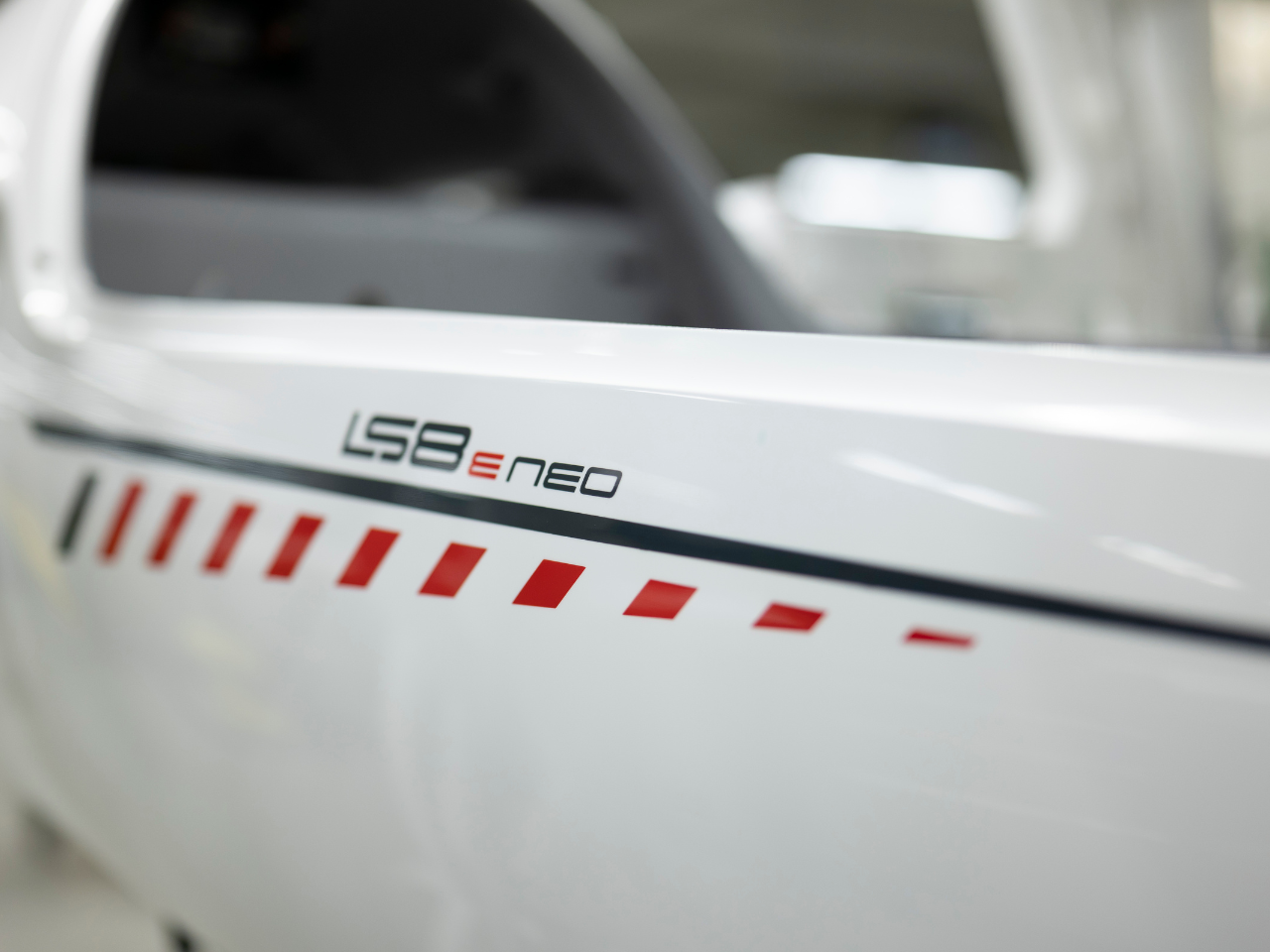
The FES system (“Front Electric Sustainer”) was developed by LZ Design in Slovenia. This system is currently installed in the LS8e neo and the DG1001E.
This system enables the LS8e neo to achieve a climb rate of up to 2 m/s and a range of 100 km (18 m). The DG1001E enables a solid climb rate and sufficient range to get home safely or reach an airfield.
Unlike conventional gliders, the FES drive is ideally not used for sawtooth flying. Instead, depending on the situation, you only use as much energy as you need, as the power can be quickly and easily adjusted using the speed controller.
FES
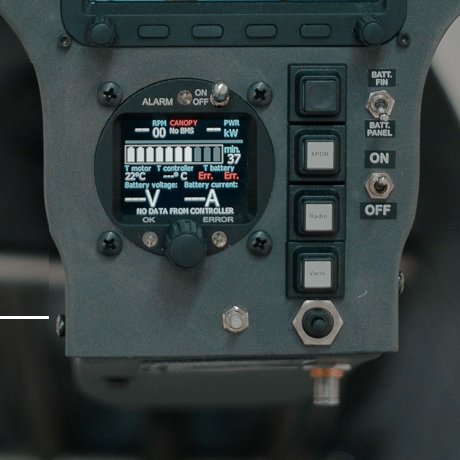
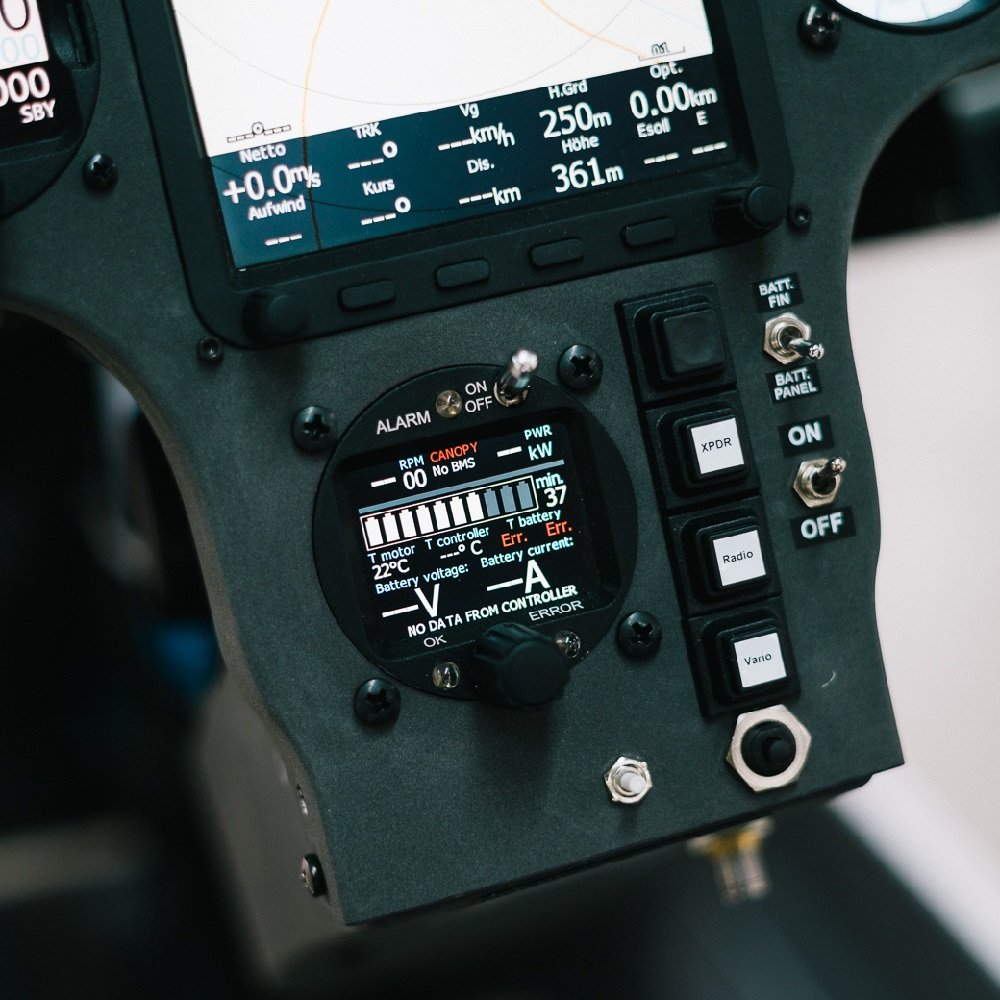 The FES control unit “FCU” is controlling the system and informs the pilot about all important parameters such as battery status, rpm, power consumption and so on. To start the propusion system you simply need to activate the FES main switch and turn the power potentiometer.
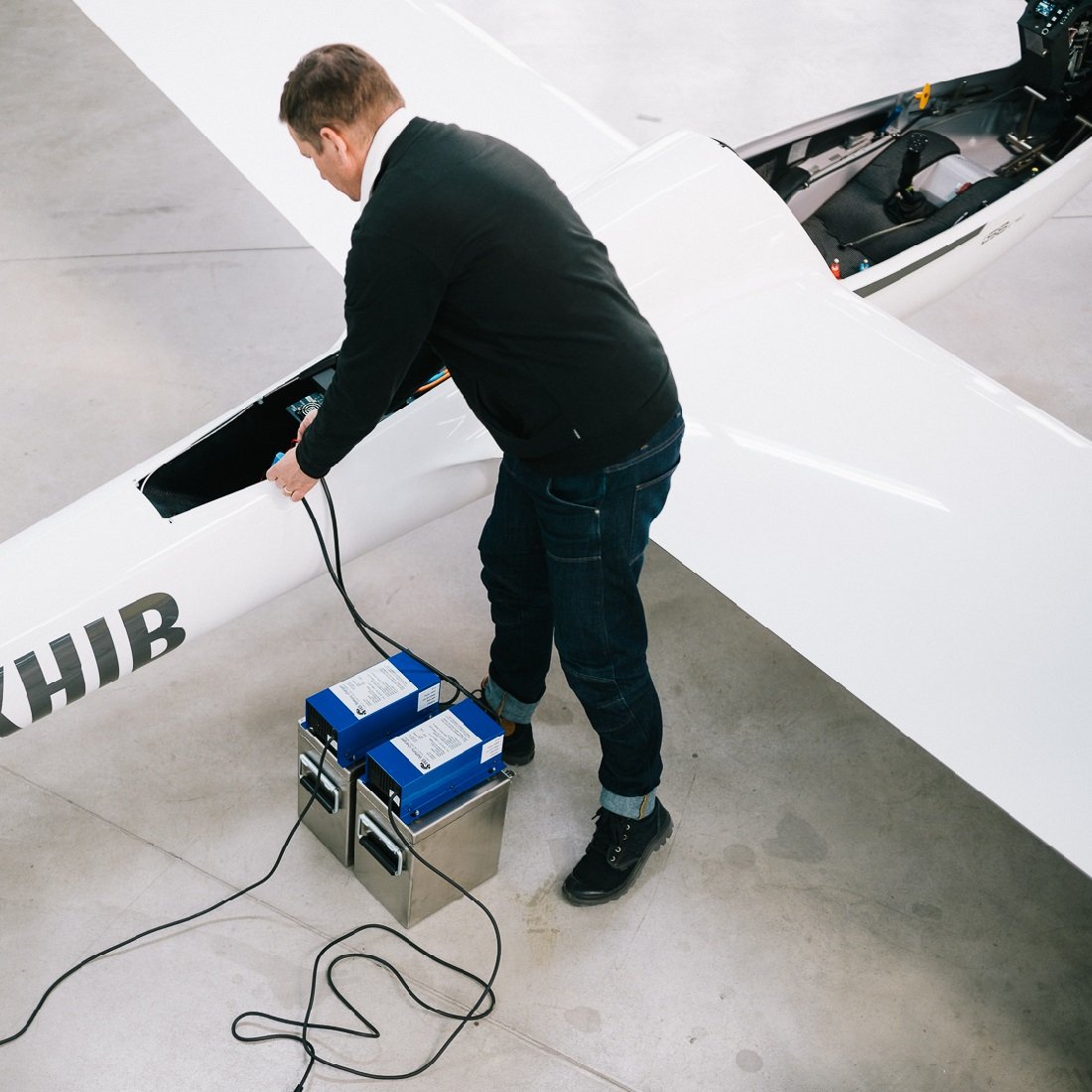 The batteries weigh 16 kg each (LS8e neo) and allow for a flight time of approx. 1 hour in straight flight. The batteries in the DG1001E are designed for a range of approx. 100 km. The batteries can be charged within a few hours using the chargers included in the scope of delivery. Fast charging solutions with a 1200 W charger are also available if required.
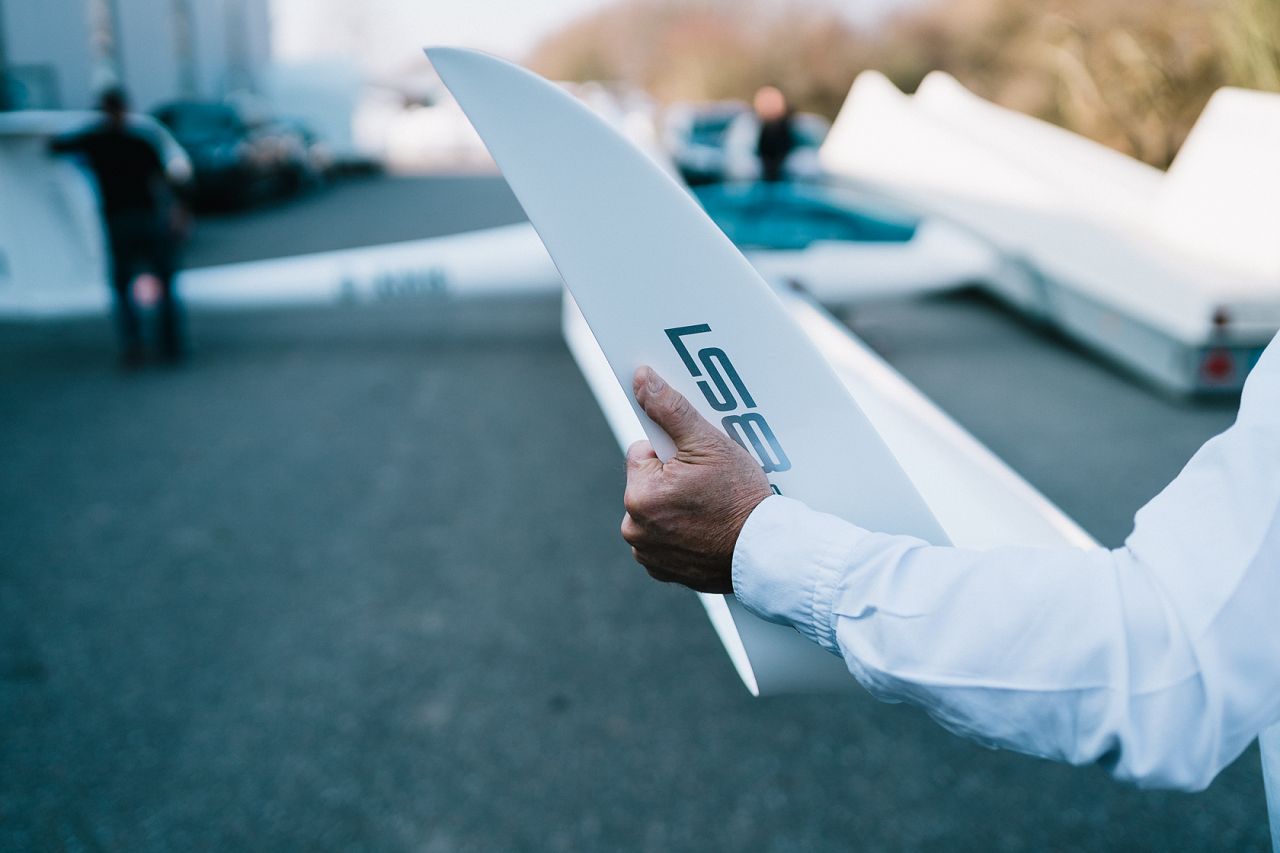
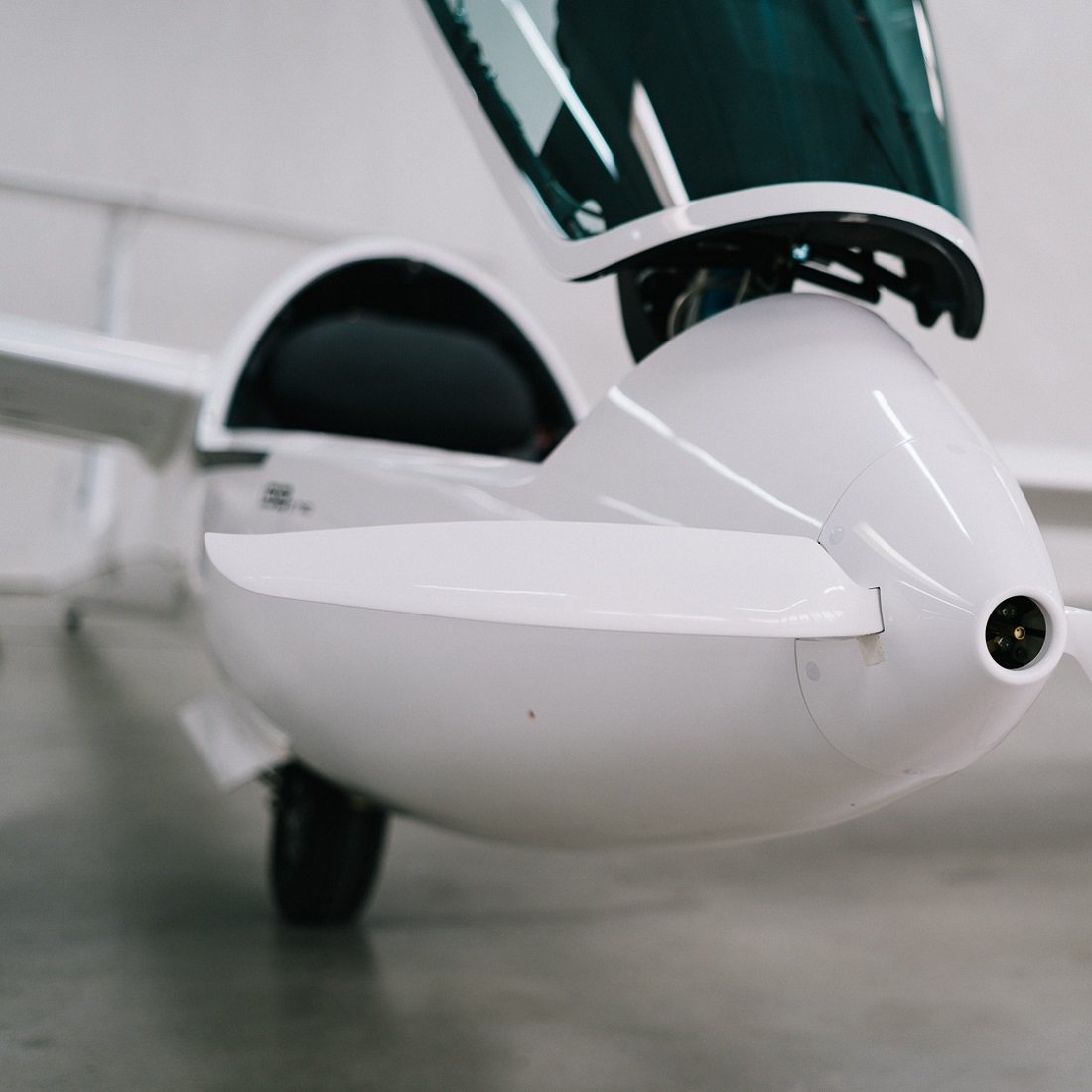
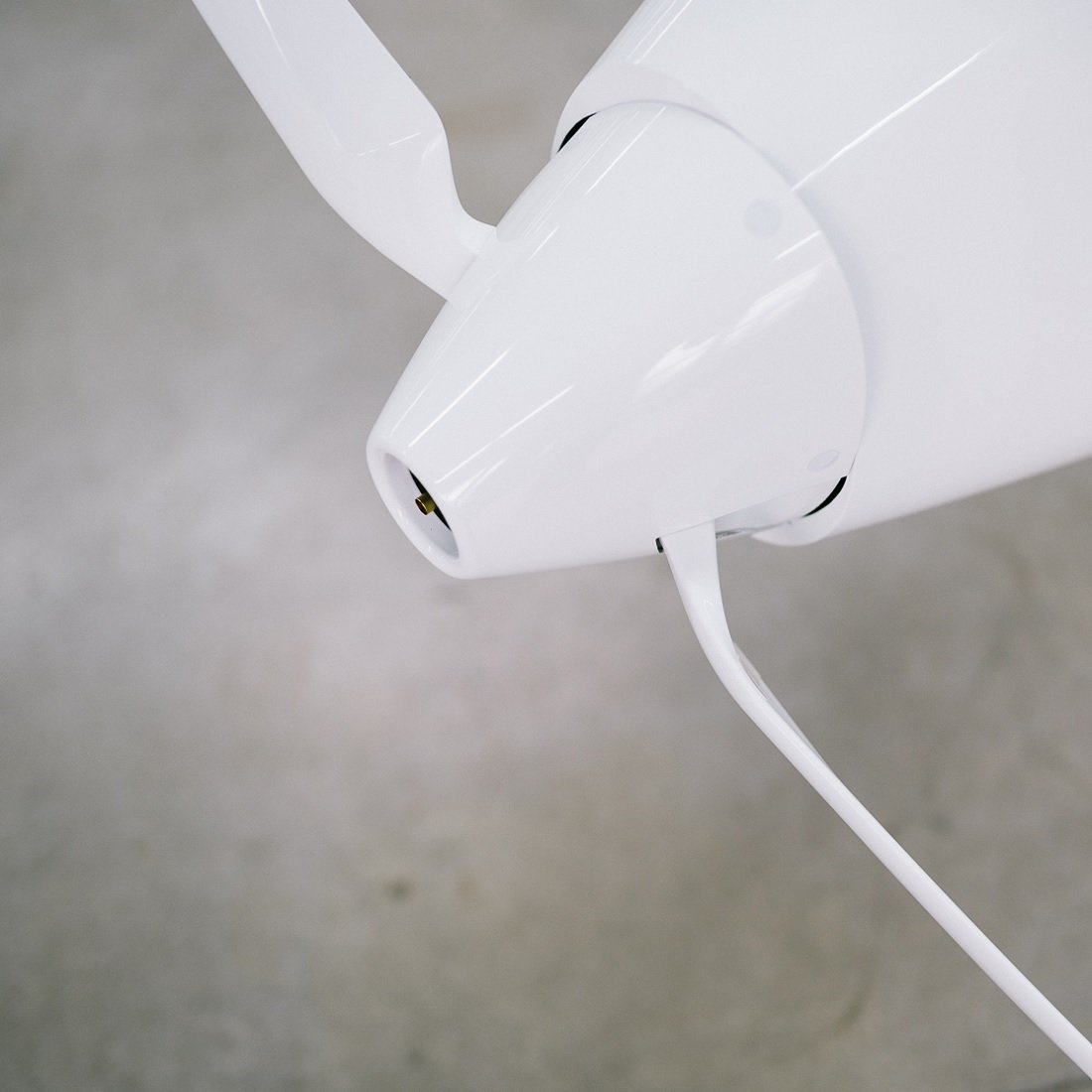 The electric motor is almost maintenance-free and has no service life limitation. With fully charged batteries, it delivers approx. 22 kW (LS8e neo)/ approx. 25-30 kW (DG1001E). The folding propeller is specially adapted to the fuselage shape of the LS8e neo/DG1001E to minimize its impact on airflow. The propeller, spinner, and folding mechanism must be inspected every 50 hours.
Retrofitting LS8 Turbo / DG1000T
The FES system can be retrofitted to LS8 Turbo aircraft and DG1000T aircraft. The scope of delivery includes:
- FES system from LZ Design
- 2-blade folding propeller
- 1 set of LiPo batteries
- FES control unit on both seats
- 2x battery charger
- Discharge cable for FES batteries
- Connection cable for FES batteries
- 2x stainless steel box for transporting the batteries
- Flight-tested and ready for collection from the factory in Bruchsal
Technical details LS8e neo
| wing span | m | 15 | 18 |
| wing area | m² | 10.5 | 11.4 |
| aspect ratio | / | 21.4 | 28.4 |
| length | m | 6.72 | 6.72 |
| height | m | 0.8 | 0.8 |
| max. speed | km/h | 280 | 280 |
| minimum sink (at 420kg) | m/s | 0.59 | 0.51 |
| empty mass (incl. basic instruments) ca. | kg | 330 | 340 |
| water ballast in wing | l | 190 | 190 |
| water ballast in tail | l | 7.5 | 7.5 |
| MTOW | kg | 525 | 575 |
| max. wing loading | kg/m² | 50 |
FES Data
| propulsion system /power | LZ Design brushless motor, 22kw |
| battery capacity | Lithium-Polymer (LiPo), 4,2 kWh |
| propeller | 2-blades, foldable |
| max. climb | ca. 1,5 – 2 m/s |
| time to recharge | 5 – 6 h |
Technical details DG1001E
| wingspan | m | 17,2 | 18 | 20 |
| wing area | m² | 16,3 | 16,72 | 17,53 |
| aspect ratio | / | 18,15 | 19,38 | 22,82 |
| length | m | 8,57 | 8,57 | 8,57 |
| height | m | 1,8 | 1,8 | 1,8 |
| max. speed | km/h | 270 | 270 | 270 |
| water ballast in wings | l | 160 | 160 | 160 |
| MTOW | kg | 750 | 750 | 790 |
| MTOW for aerobatics CAT. A | kg | 630 | – | – |
| FES System | ||
| motor | / | brushless motor / LZ Design |
| power | kW | ca. 25 – 30 |
| propeller | / | 2-blades foldable propeller |
| battery (inside fuselage) | / | LZ Design / LiPo |
FEStrofit LS8 and LS6
As part of our ongoing development work, we are currently working on various options for retrofitting an FES system in different series of the LS6 and LS8 models.
The following model could be retrofitted:
- LS6-b
- LS6-c
- LS6-c18
- LS6-18w
- LS8-a (without 18m preparation)
- LS8-a (without 18m preparation TM 8001)
- LS8-18
Press / Media
Stefan Langer filmed a review of the LS8e neo as part of e2glide in Pavullo (IT) in 2019. Click here to watch his video:
Bericht im Magazin Segelfliegen von Ernst Willi aus dem Heft 01/2020
Bericht im Aerokuriert von Gerhard Marzinzik aus dem Magazin 11/2019
Interested?
Perfect combination
The installation of the proven FES drive from LZ Design in the LS8 and DG1001 aircraft has brought two worlds together. On the one hand, there is the LS8, which in its neo version is one of the best aircraft you can fly in the standard class. On the other hand, there is a safe, powerful electric drive that is easy to use and available at a moment’s notice, making it a reliable companion in all flight situations.
Use of the FES
The FES can be activated and deactivated within seconds. Power can be set individually depending on height and situation. In low altitude you usually use a high power setting to climb safely to the next thermal. After reaching safe altitude you can turn back power to approx. 5kW and continue searching for the next climb in level flight. As soon as a thermal is found you can turn off the FES within seconds and continue climb. This is the tactic to use battery power the most efficient way.
With the installation of the proven FES, you can usually always get home or at least reach an airfield. Outlandings are a thing of the past.
Keep it simple
The simple and brilliant functional principle which is proven in the rc-model sector since decades was successfully adapted on sailplanes by LZ Design. Intuitive controls, simple handling and a low level of maintenance make this system the first choice among all sustainer systems.
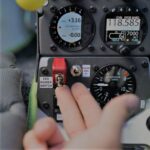 To activate the system you simply need to turn on the FES main switch and adjust the rpm needed on the FCU’s power-potentiometer. Instantly the electric motor will start to turn and allows a firm climb rate. The propeller blades remain open due to centrifugal force.
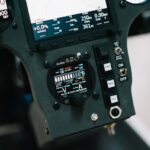 To switch-off the propulsion system you set motor power back to zero. The FCU will automatically stop the motor and align its propeller. Airstream pushes back the blades to the fuselage and by turning-off the FES main switch the system is deactived.
Easy battery management
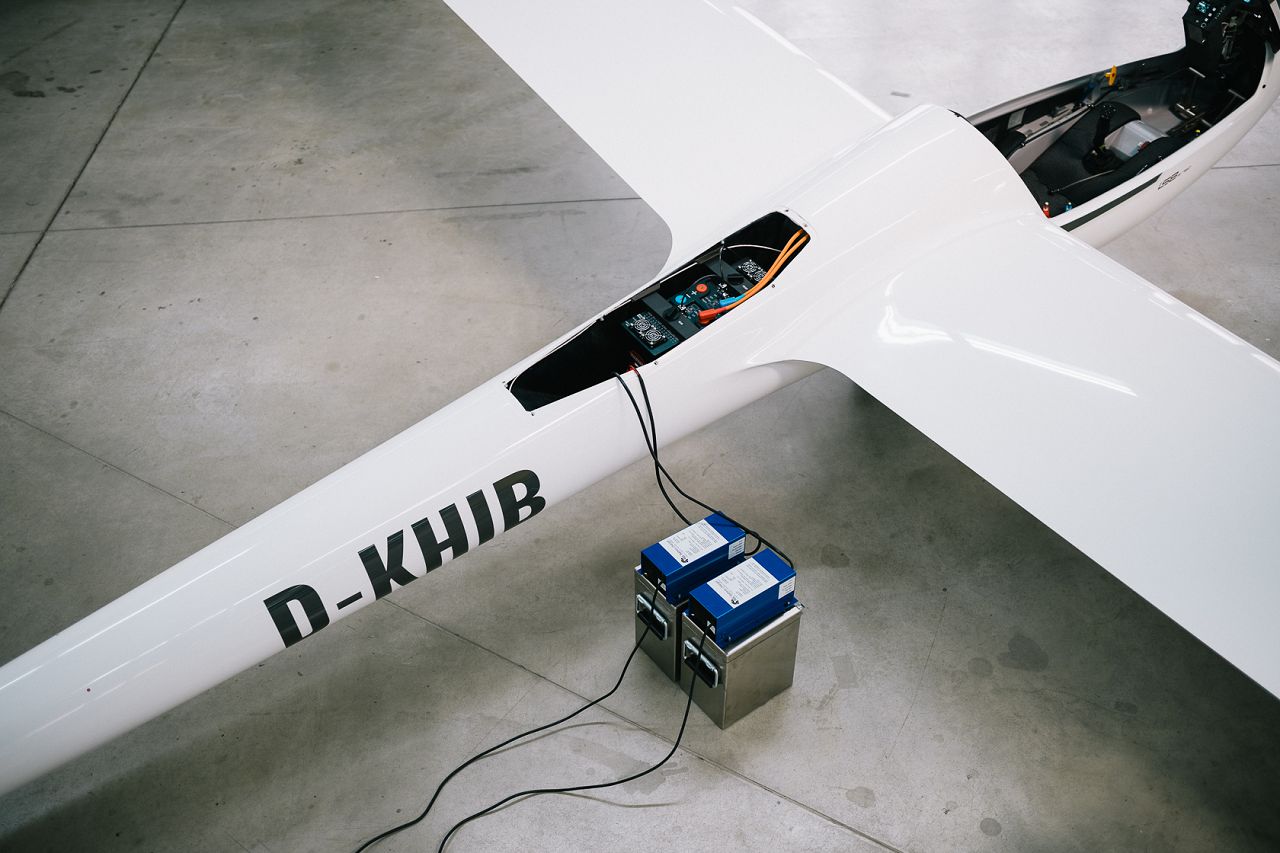
FES standard equipment allows easy handling of battery and propulsion system. You get a set of two battery chargers which allow charging the FES batteries simultanously in a very safe way. A data cable can be connected to a laptop which allows analyzing and checking each battery pack on demand.
In case the glider is not in use for a long time you may discharge the FES’ batteries down to 50%. A special device for that is available as optional equipment. It monitors the process and automatically switches off as soon as voltage has reached the anticipated level.
Treating the batteries right pays-off! More than 10 years are no problem at all. Keep the Batteries at 50% for storage and prevent discharge and your batteries will stay in shape for a very long time!
No compromise in safety
In order to gain a high level of safety, even in a club environment, the FES gliders feature 3 security levels which avoid activating the motor on ground accidentally.
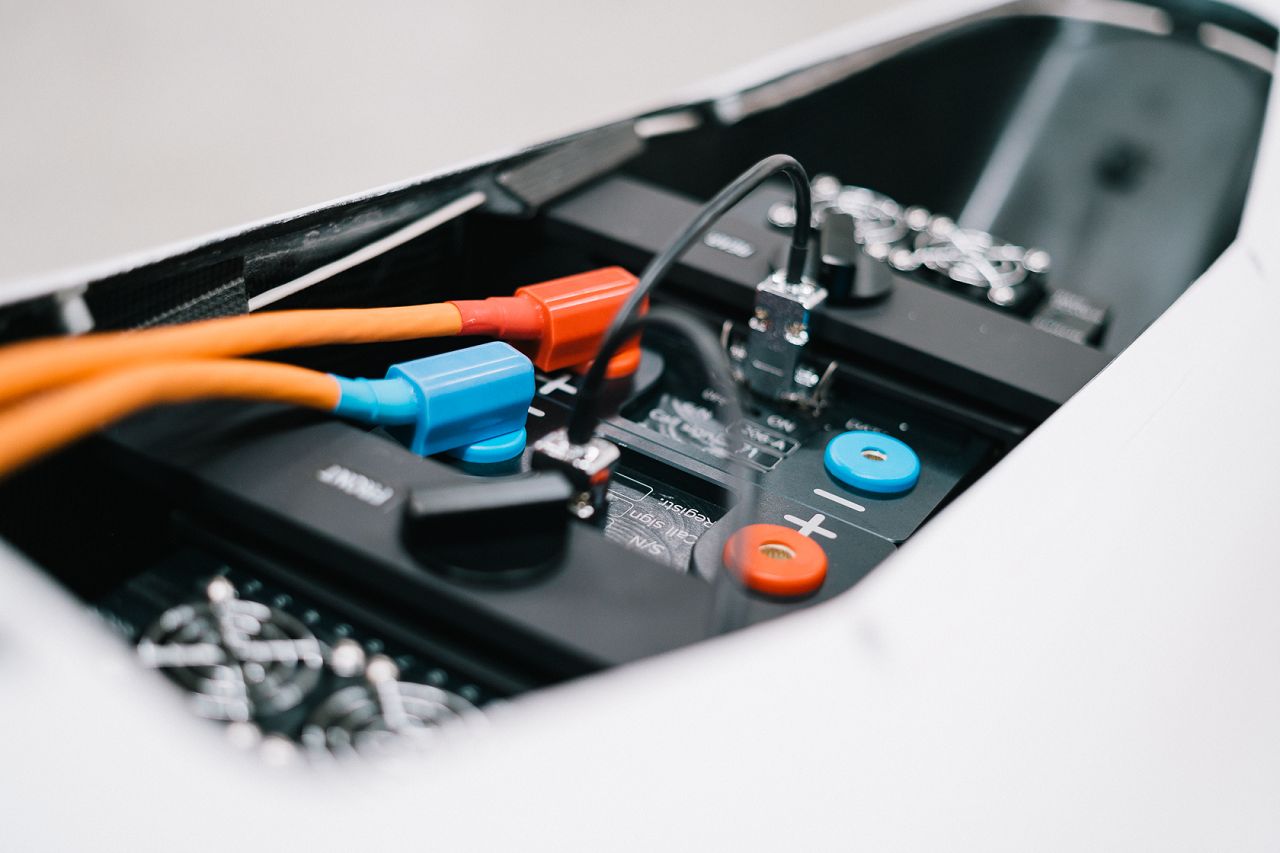
First step is a “bridge” which connects the batteries in the battery compartment. It’s installed and the compartment is closed before flight.
Second step is a safety switch mounted to the bottom of the instrument panel. The motor can only start turning as soon as the canopy is closed and locked.
Last step is the FES main switch in the panel. The pilot has to activate this switch deliberately to start the FES system.
In order to stow both batteries safely, the batteries are supplied in stainless steel boxes. These boxes house the battery while transport, charging and storage.
All-Rounder for clubs
Thanks to its simple operation, harmonious flight characteristics, and the possibility of varying the wingspan between 15 m and 18 m, the LS8e neo is the ideal addition to any club’s aircraft fleet. Whether you are a recreational pilot, a cross-country beginner, or a competition pilot, the LS8e neo can be adapted to all needs and is therefore flown by a large number of pilots.
The DG1001E was developed with a focus on cross-country gliding. That’s why the 20m neo outer wings are part of the series. But the aircraft can also be used for aerobatics and training.
In order to maintain the versatility of the DG1001, especially in clubs, the aircraft can still be used for aerobatics with 17.2m wings. To do this, only the FES batteries need to be removed in order to comply with the weight limits of the structure.
LS8e neo - No compromises in competition
Thanks to its simple drive system, the LS8e neo offers optimal advantages, especially for competition preparation.
However, if you want to take full advantage of the LS8’s outstanding aerodynamics in competition, you can optionally remove the propellers and batteries. Thanks to simple molded parts, the LS8e neo can be converted into a normal LS8sc neo, and the propellers no longer interfere with the airflow in the front fuselage area.